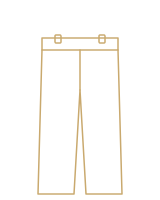
Rise is not only a style label. It affects where the waistband sits, how much vertical room the draft has above the crotch, and which body circumference the waistband must follow. A low waistband sits on a different section of the body than a high waistband.
The People’s Jeans uses one required seated rise measurement, a selected rise style, and an optional waist measurement at the selected rise. It does not ask the public customer to enter separate front, back, and total rise tape measurements.
1. Measure Seated Rise at the Natural Waist
Sit upright on a firm, flat chair. Keep your pelvis in a normal position and your feet supported. Measure vertically at the side from the natural waist to the chair surface. Do not run the tape through the crotch.
Repeat the measurement without changing posture. If the results conflict, investigate the landmark and chair position instead of averaging them. This value describes seated body depth at the natural waist.
2. Choose Where the Waistband Will Sit
The rise style moves the intended waistband level. The current public choices include low, mid, high, and ultra high. Ultra low remains tester only while lower rise circumference behavior is physically validated.
Choose a level based on the actual wearing position you want. Mark it on the body while standing, then sit and move. A level that looks right while standing may roll, press, or shift during movement.
3. Measure Waist at the Selected Rise
Wrap the tape around the exact marked waistband level and keep it parallel to the floor. Record the body circumference without adding ease. This input is especially valuable for low rise jeans because the body usually becomes wider below the natural waist.
If this measurement is absent, the engine estimates the selected level from other lower body measurements. An estimate can be a useful starting point, but a direct measurement at the intended level gives the waistband a clearer target.
4. Keep the Other Fit Inputs Connected
Rise cannot diagnose every crotch or seat issue by itself. Hip, seat depth, thigh, ease, fabric behavior, posture, and sewing can all affect the same area. A horizontal drag line, vertical fold, tight thigh, or slipping waistband may point to different causes.
Use the preview and finished dimensions to catch obvious input errors. Then sew a test pair in fabric with similar weight, stretch, and recovery to the final denim.
5. Test the Waistband Before Hardware
Baste the main seams and waistband. Leave the permanent button, rivets, and dense topstitching until after the fit check. Stand, sit, walk, climb a step, and squat.
- Confirm the waistband stays at the selected level.
- Check whether the front presses, collapses, or stands away.
- Check the seat and back waist for pulling or gaping.
- Check that thigh restriction is not being mistaken for a rise problem.
- Let stretch denim recover before judging whether it bags.
Record the observation, change one related input or option, and regenerate. Lifetime access is useful because a test pair can inform the next draft without another purchase.
What the Builder Can and Cannot Promise
A measurement driven draft can give you a more relevant starting point than a fixed graded size. It cannot guarantee first try fit because the measurement method, fabric, posture, body shape, preference, and sewing remain real variables.
The current product is Beta while physical rise samples and external tester evidence are being recorded. Treat the test pair as part of the process, especially at low and ultra high placements.
Frequently Asked Questions
What rise measurement does The People’s Jeans use?
The required rise input is seated crotch depth. Sit upright on a firm chair and measure vertically at the side from the natural waist to the chair surface. The builder combines that body depth with the selected rise style.
What is waist at the selected rise?
It is the body circumference at the exact level where the waistband will sit. It is especially useful below the natural waist because the circumference can change quickly through the waist and upper hip.
Does the builder ask for separate front and back rise measurements?
No. The current public builder does not ask for separate front, back, or total rise tape measurements. Use the prompted seated rise, choose a rise style, and enter waist at the selected rise when available.
How should I test the rise before final denim?
Use fabric with comparable weight and stretch. Baste the main seams and waistband, then stand, sit, walk, and squat. Check waistband level, crotch depth, seat, thigh, and fabric recovery before installing final hardware.
Ready to configure and test your rise? Build The People’s Jeans →